
Hot Products


0102030405

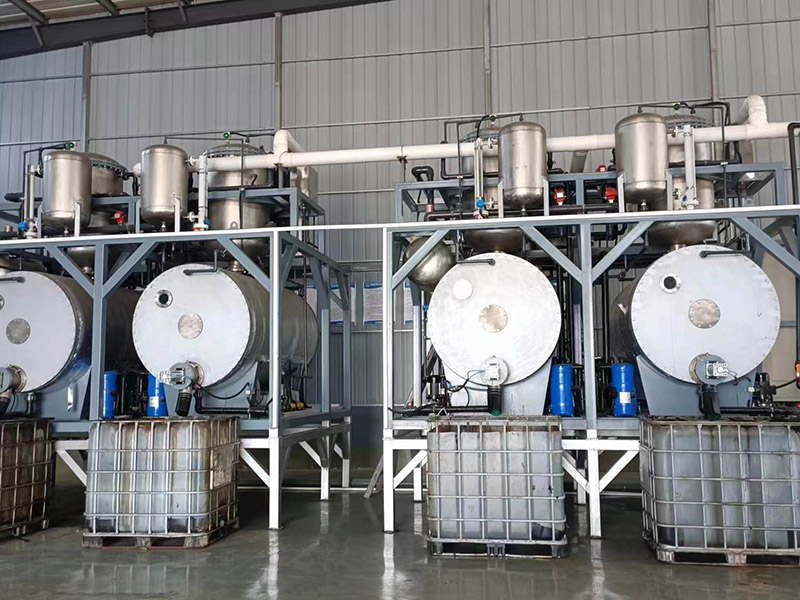
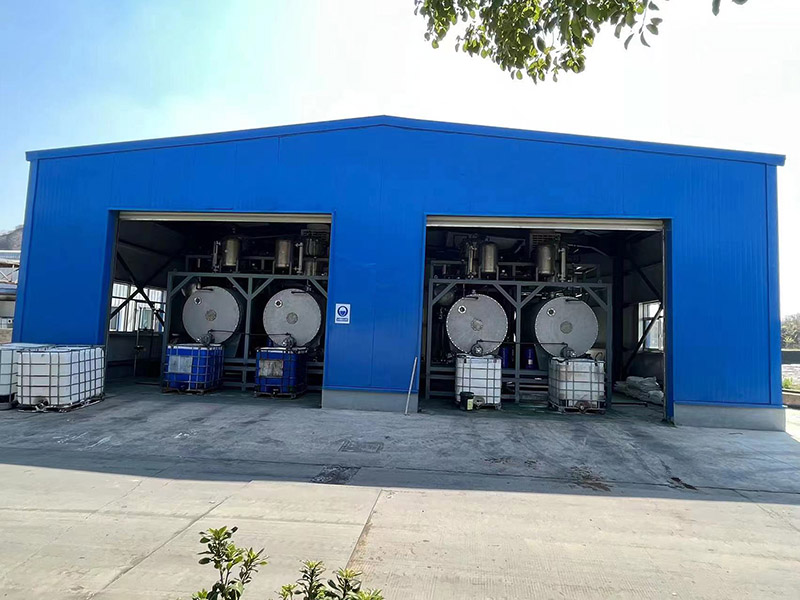
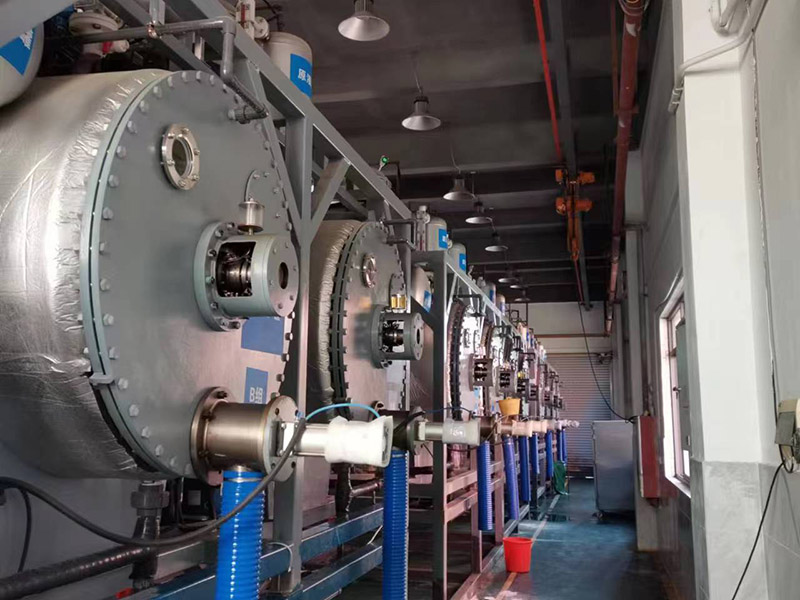
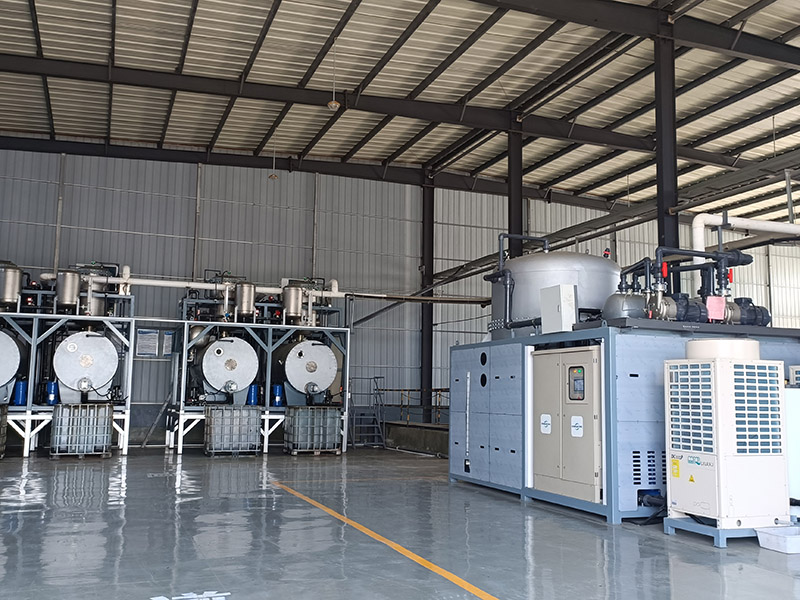
China Suppliers Factory V-CT-SF-500 Evaporative Cooler with 22 L/h Power and 8 kW Consumption
Vacuum Crystallization Chamber Operation
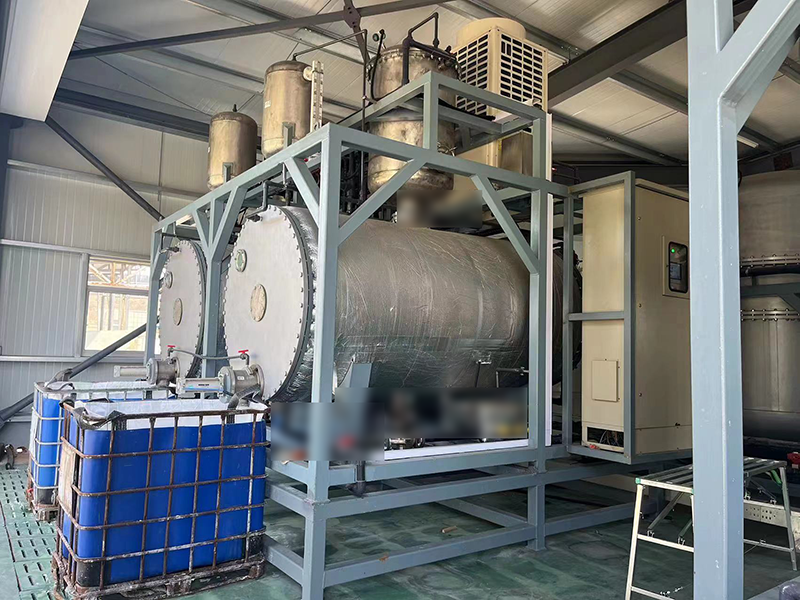
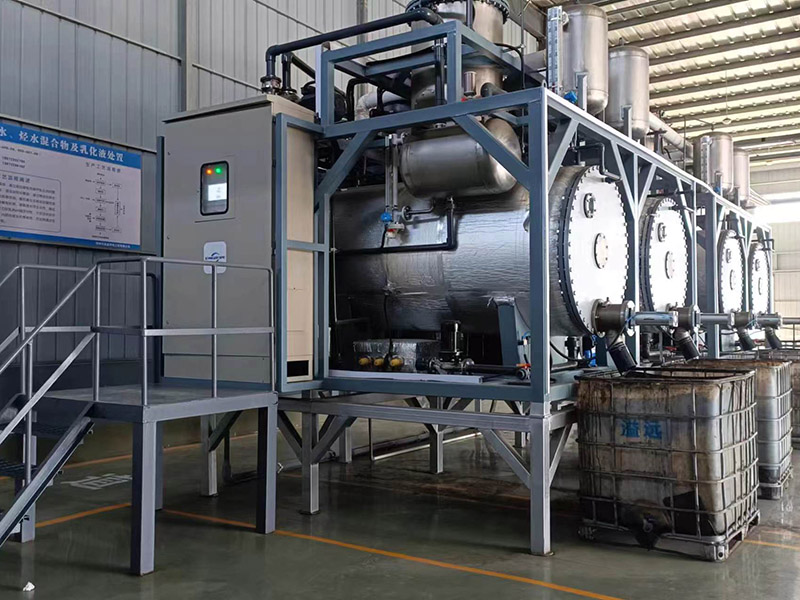
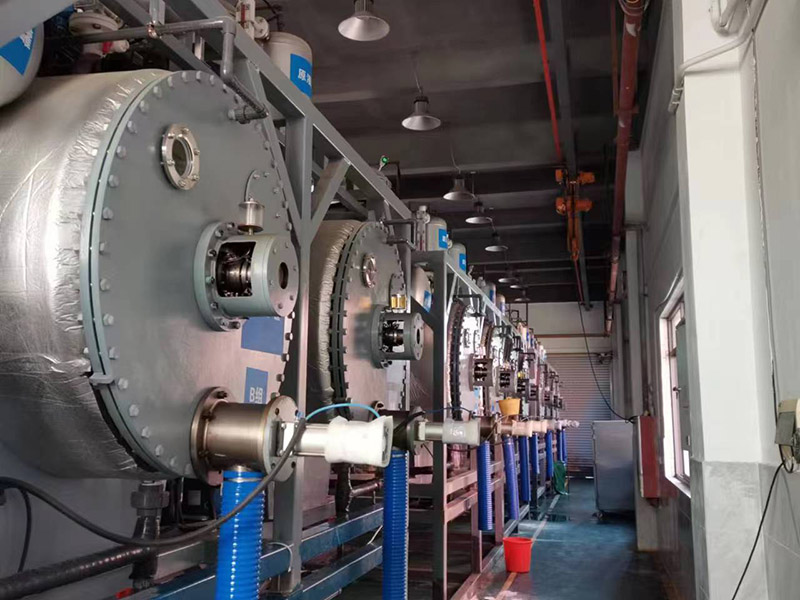
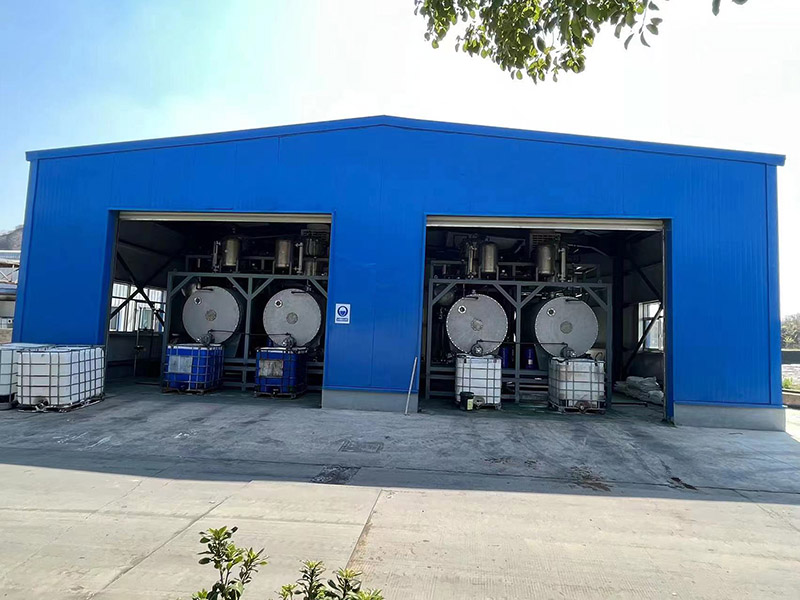
The crystallization chamber is negative pressure at -95 to -97kPa under vacuum condition, raw material is automatically sucked into chamber under negative pressure. Meanwhile, the heat pump system will makes heat exchange device into evaporation and condensation two parts, the chamber is equipped with a scrapper and jacketed layer, continuous stirring of material and the jacketed surface going on evaporation. The water evaporates into steam and flows up to condensation chamber and becomes distilled water. Distilled water flows to condensation vessel and discharges automatically. solid material will be discharged automatically by scrapper at last.
Low Temperature Evaporation Technology
Low temperature evaporation technology should be an important means to solve the problem of energy consumption at this stage, it integrates a variety of technologies in a body to strengthen the evaporation conditions so that the evaporation can be completed at a relatively low cost.
Core Principle: The principle of low-temperature evaporation process is actually not complicated, in a word, the use of dry air to blow away the water.
The process is as follows: First, the solution is heated to a certain temperature, and then the solution is passed through the evaporator from top to bottom. The dry air is fully in contact with the solution, and in this process, the dry air reaches a saturated state and becomes wet air flowing out from the top of the tower, and the concentration of the solution itself is increased.
Low Temperature Evaporation System Process
A set of low temperature evaporation system generally includes the following three key phases:
1
Preheating Phase
This step is automatic. After the original bucket reaches the medium level, the pump runs to produce a vacuum, and the evaporator automatically enters the water. The compressor runs to generate heat to heat the wastewater in the evaporation tank. In the vacuum state, the wastewater temperature rises to about 30 ° C, the wastewater begins to evaporate, and the preheating is completed.
2
Evaporation and Concentration Phase
The evaporation temperature is set at 35-40℃. The compressor compresses the refrigerant to produce heat, causing the water to evaporate rapidly. Simultaneously, the refrigerant gasifies through the expansion valve to absorb heat for refrigeration. Vapor rises and liquefies into the storage tank. The refrigerant absorbs heat and is reheated through compressor compression to heat the waste water. If bubbles rise during evaporation, sensors detect it and defoamer is automatically added. The concentrated liquid is discharged after a cycle is completed (the cycle time can be set).
3
Concentrate Discharge Phase
After one evaporation cycle is completed, the compression pump stops working, the concentrate pipeline pneumatic valve is opened, the evaporation tank is pressurized, and the concentrate hydraulic pressure is put into the concentrate tank.
Energy Optimization & Cost Control
After understanding the principle of low temperature evaporation technology and equipment conditions, in order to reduce energy consumption and improve heat utilization in the industrial production process to achieve the ideal operating cost requirements, The combination of the previously mentioned multi-effect evaporation technology and mechanical steam recompression technology and vacuum technology has derived the commonly used low-temperature multi-effect evaporation equipment and MVR evaporation equipment at this stage (please check the difference between the two technologies), which greatly reduces the operating cost of tons of evaporation (taking water as an example, generally ranging from 40-70 yuan).
If the operating temperature of the low-temperature evaporation equipment is controlled at 50-60 ° C, the heat utilization efficiency will increase, the same heat source in the case of 80-95 ° C evaporation can obtain more evaporation, while as the heat source of the evaporator can also choose some low-grade industrial waste heat, compared to the use of fresh steam evaporation, on the one hand to achieve multi-level utilization of energy, On the other hand, it achieves the purpose of energy saving and carbon reduction. Even if the energy consumption of the blower and the power consumption of the waste water cycle are calculated, the operating cost of the low-temperature evaporation equipment using a low-grade heat source can be well controlled at 30 yuan/ton of water. In addition, due to the low operating temperature of the equipment, the high-temperature evaporation has great advantages in the selection of processing materials, and even some plastic materials are selected instead of metal to further optimize the processing cost.
Advantages Over Traditional Evaporation
If it is not special evaporation requirements, the advantages of low-temperature evaporation technology are unmatched by traditional evaporation technology in terms of production safety, cost input, operating costs, service life, maintenance, equipment footprint, equipment structure, auxiliary equipment, etc.
Frequently Asked Questions
How does the crystallization chamber draw in raw materials?
The crystallization chamber operates under a negative pressure of -95 to -97kPa under vacuum conditions. The raw material is automatically sucked into the chamber under this negative pressure.
What is the basic principle of the low-temperature evaporation process?
The core principle is to use dry air to blow away water. The solution is heated and passed through the evaporator from top to bottom, making full contact with dry air, which becomes wet air and flows out, thereby increasing the solution concentration.
What are the typical temperature settings during the preheating and evaporation phases?
During the preheating phase, the wastewater temperature rises to about 30 °C in a vacuum state. During the evaporation and concentration phase, the temperature is set and maintained at 35-40 °C.
How does low-temperature evaporation help reduce operating costs?
By combining technologies like MVR and vacuum evaporation, operating costs for water evaporation are generally reduced to 40-70 yuan/ton. If low-grade industrial waste heat is used at 50-60 °C, the cost can be controlled at around 30 yuan/ton.
Why does low-temperature evaporation offer material cost advantages?
Because the equipment operates at low temperatures, it has a significant advantage in material selection. Some components can be made of plastic instead of expensive metals, which optimizes the overall processing cost.
In what areas does low-temperature evaporation outperform traditional technology?
It provides unmatched advantages in terms of production safety, cost input, operating costs, service life, maintenance, equipment footprint, equipment structure, and auxiliary equipment.